When your credit score has taken some hits, it can feel like climbing out of a deep hole. Missed payments, collections, or even bankruptcy can make it tough to qualify for new credit. But there’s a tool many people overlook that can make rebuilding credit a lot more manageable: the secured credit card.
Unlike traditional credit cards, secured cards are specifically designed for people who are either new to credit or are working on repairing past mistakes. If used responsibly, they can be one of the fastest and most reliable ways to get your credit score moving upward again. Let’s break down how secured credit cards work, why they help with credit repair, and what to watch out for before applying.
What Is a Secured Credit Card?
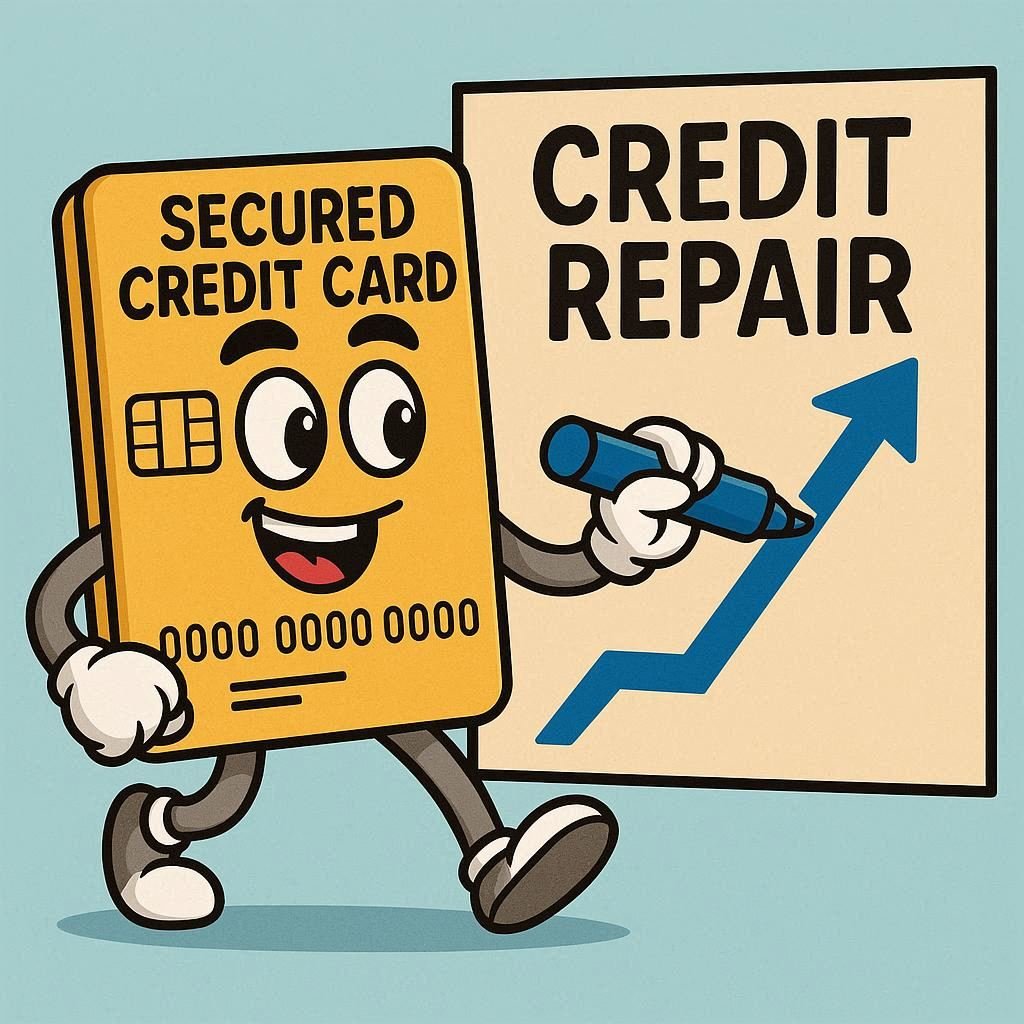
A secured credit card looks and functions like a regular credit card—you can use it to shop online, pay bills, and make everyday purchases. The main difference is that it requires a security deposit.
That deposit becomes your credit limit. For example, if you put down $300, your limit is usually $300. The bank keeps this money as collateral, reducing their risk in lending to someone with damaged credit.
Even though the card is “secured,” it still reports your activity to the three major credit bureaus—Experian, Equifax, and TransUnion. That reporting is what makes it powerful for rebuilding credit.
Why a Secured Card Helps With Credit Repair
The key to credit repair is showing lenders you can be trusted again. Secured credit cards make that possible in several ways:
- Builds Positive Payment History: Your payment history makes up about 35% of your FICO score. Every on-time payment you make with your secured card gets reported to the credit bureaus. Over time, this builds a track record of reliability that lenders can see.
- Helps Lower Credit Utilization: Credit utilization—the percentage of your credit limit you’re using—accounts for another 30% of your score. If you keep your balances low (ideally under 30% of your limit), it shows lenders you can manage credit without maxing out your card.
- Provides a Path to Upgrade: After responsible use, many banks will allow you to “graduate” to an unsecured credit card. That means they’ll refund your deposit and often increase your credit limit, giving you more borrowing power and helping your credit score even more.
- Demonstrates Financial Discipline: Opening a secured card and using it wisely signals that you’re serious about improving your financial future.
Tips for Using a Secured Credit Card Wisely
Getting approved for a secured card is just the first step. The way you manage it will determine how much your score improves. Here are a few tips:
- Pay on time, every time. Even one late payment can hurt your score. Set up automatic payments if possible.
- Keep balances low. If your limit is $300, try to spend no more than $90–$100 each month.
- Avoid cash advances. They often come with high fees and don’t help your credit score.
- Check your statements. Watch for errors or fraudulent charges.
- Use it regularly, but lightly. A small recurring bill (like Netflix or a phone payment) is a smart way to keep activity flowing without overspending.
What to Look For in a Secured Credit Card
Not all secured credit cards are the same. Some have high annual fees or strict rules that can work against you. When shopping for one, consider:
- Annual fees: Some cards charge $0, while others may charge $35–$99.
- Reporting: Make sure the card reports to all three credit bureaus.
- Deposit flexibility: Some cards allow deposits as low as $200, while others require more.
- Upgrade opportunities: Choose a card that offers a clear path to graduation to an unsecured card.
A good starting point is checking with your current bank or credit union. Many offer secured cards with fair terms and an easier approval process.
Patience Pays Off
Credit repair isn’t instant. It takes consistency and patience. With a secured card, you may start to see small improvements within a few months, but meaningful increases usually happen over 6–12 months of responsible use.
Think of your secured credit card as a stepping stone. It won’t solve all your credit issues overnight, but it gives you the chance to prove yourself again and open the door to better financial products in the future—like auto loans, mortgages, and unsecured credit cards with rewards.
Final Thoughts
A secured credit card is more than just plastic with a deposit attached—it’s a tool for a financial comeback. If you’ve struggled with credit in the past, this type of card can help you rebuild your score, regain trust with lenders, and put you back on track toward financial freedom.
Remember: the key is responsibility. Pay on time, keep balances low, and stay consistent. Over time, that little secured card can be the foundation of a much stronger credit profile.
For more information on how secured cards work and to compare options, you can check out NerdWallet’s guide to the best secured credit cards.